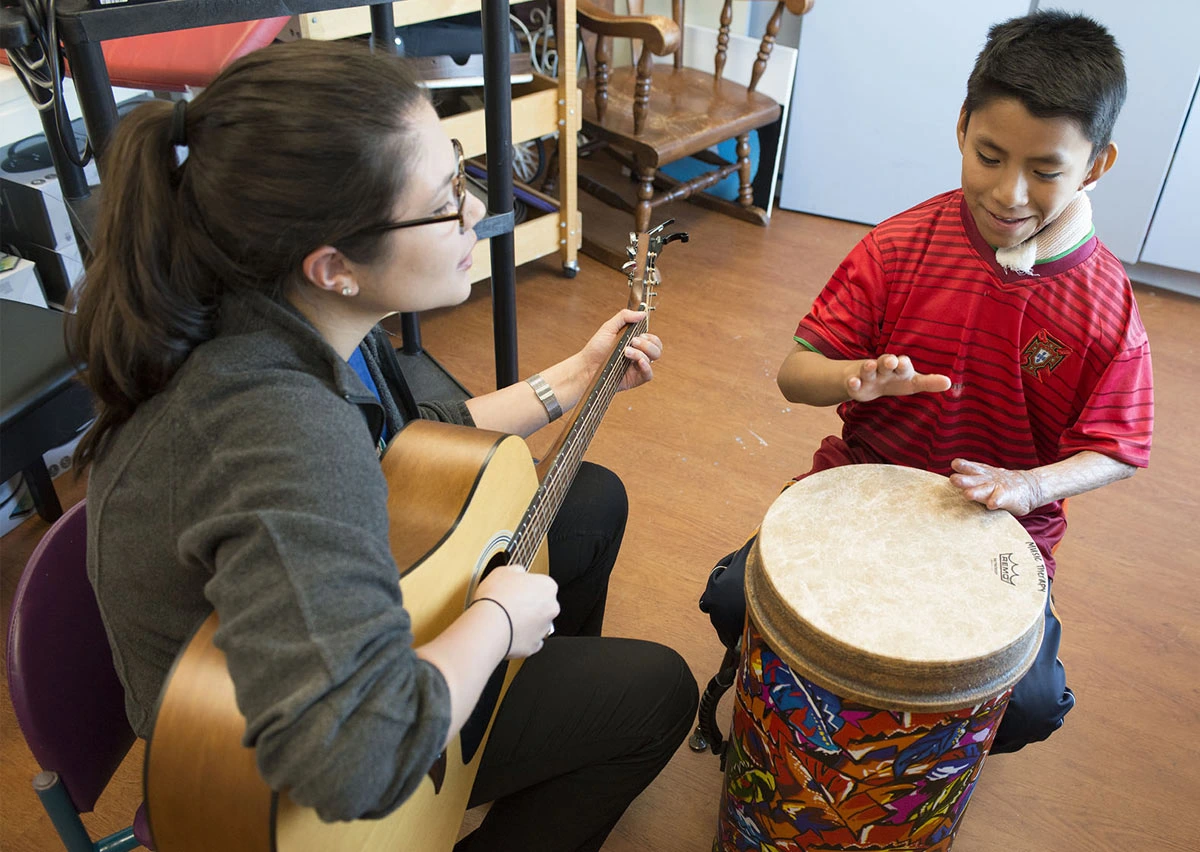
Music therapy provides powerful pathways for trauma recovery by engaging the brain’s natural healing mechanisms through rhythm, melody, and creative expression. This evidence-based approach addresses emotional pain when traditional verbal therapies reach their limitations, offering alternative routes to processing traumatic experiences. Joseph Gleed, LCSW, CCTP, brings over 20 years of specialized experience working with veterans and first responders, understanding how music therapy unlocks healing potential for complex trauma presentations that benefit Utah’s diverse communities.
At Renova Wellness & Consulting, music therapy serves as a bridge between emotional overwhelm and sustainable recovery through carefully personalized interventions. Our approach recognizes that healing happens through multiple pathways, with music offering unique access to emotional processing and neural repair. Most importantly, this therapy honors each person’s cultural background, personal experiences, and specific trauma type to create truly impactful healing processes.
The Essential Role of Personalization in Music Therapy
Music therapy effectiveness requires careful tailoring to individual needs through personalization at Renova Wellness & Consulting’s approach heart. Each person’s cultural background, personal experiences, and trauma type receive consideration facilitating more impactful healing processes through individualized intervention strategies.
Respecting cultural backgrounds involves understanding and honoring music’s cultural significance for each individual. Renova therapists receive training to appreciate diverse musical preferences and traditions clients bring to therapy, using them to foster deeper connections while promoting healing through culturally responsive approaches.
Addressing personal experiences recognizes music therapy as individualized rather than one-size-fits-all approaches. Therapists craft sessions based on personal histories ensuring chosen musical interventions resonate with unique life experiences and emotional landscapes while honoring individual healing preferences and needs.
Considering trauma types acknowledges different traumas affect people differently through Renova’s music therapist expertise in selecting musical approaches best suiting specific trauma nature. Whether related to loss, violence, accidents, or other emotional pain forms, interventions receive careful matching to individual trauma presentations.
Why Music Therapy Works When Words Fail
Music therapy stands as powerful healing instrument providing solace for those shaken by trauma. Renova Wellness & Consulting embraces this therapeutic method with evidence-based practices designed to facilitate recovery and enhance emotional well-being through comprehensive, compassionate care approaches.
Transcending traditional therapy proves essential for many trauma survivors finding traditional therapy alone insufficient for addressing emotional hurdles. Music therapy extends beyond typical treatment modalities by engaging clients in immersive experiences utilizing rhythm and harmony power to aid healing journeys.
Evidence-based approaches support Renova’s music therapy commitment through thorough research ensuring sessions receive careful curation based on proven methodologies. This guarantees clients receive most effective treatments tailored to processing and overcoming trauma through measurable, sustainable outcomes.
Committed practice involves specialists at Renova exhibiting unwavering dedication as both therapists and compassionate allies. They harness music’s emotive power helping clients navigate recovery paths with empathy and understanding while maintaining clinical excellence standards.
The Multifaceted Nature of Trauma
Healing from trauma requires approaches adapting to complex challenges survivors face through music therapy serving as versatile healing conduits. This addresses unique obstacles of language, memory, and emotional expression inherent in trauma aftermath through comprehensive, individualized intervention strategies.
Overcoming verbal barriers recognizes where words fail, music speaks effectively. Surviving trauma can leave individuals struggling to voice experiences while music therapy provides valuable alternatives granting abilities to express emotions and tell stories through music’s universal language, bypassing verbal articulation needs.
Navigating memory disruption acknowledges traumatic event recollection as often scattered and painful. Music therapy engages brain’s natural rhythms offering less confrontational ways to process fragmented memories through melodies and rhythms acting as gentle guides helping piece together experiences without chronological narrative pressure.
Fostering emotional connectivity addresses those enclosed by emotional barriers through music therapy cultivating environments of safety and trust. This encourages emotional engagement and regulation facilitating healing processes that remain both gradual and measured while using music’s emotive power providing supportive frameworks for feeling exploration at personal paces.
Breaking Down Music Therapy’s Science
Music therapy grounds itself in neuroscience leveraging brain responses to music for therapeutic benefit. Engaging specific neural networks facilitates trauma healing in ways proving both scientifically sound and emotionally attuned to individual needs and recovery preferences.
Neurobiological activation recognizes trauma often leaves brain marks, but music demonstrates remarkable abilities to stimulate and repair affected regions. Engaging with music creates new brain pathways crucial for recovery like constructing bridges over gaps trauma created, allowing smoother passage to mental well-being and emotional regulation.
Emotional processing occurs through listening to or creating music gently coaxing limbic systems into processing feelings safely. Music therapy utilizes melodies and harmonies as tools reaching into sensitive brain areas to transform traumatic memories into manageable emotional experiences through careful therapeutic guidance and support.
The following neurobiological benefits support music therapy effectiveness:
- Physiological stabilization through rhythm synchronization reducing stress responses
- Memory integration support through engaging both verbal and non-verbal brain regions
- Emotional regulation enhancement via limbic system activation and calming
- Neuroplasticity promotion through novel musical experiences creating new neural pathways
- Social connection facilitation through group music-making activities reducing isolation
Physiological stabilization involves music’s rhythm and structure bringing calming influences to body physiological responses as heart rate and breathing synchronize with musical patterns. These soothing effects lay groundwork for deeper therapeutic engagement with ease and security.
Addressing Accessibility and Integration of Music Therapy
Music therapy reaching full potential in trauma care requires enhanced accessibility and seamless healthcare framework integration. Renova Wellness & Consulting remains proactive in championing these efforts, committed to making music therapy accessible, recognized, and respected treatment modalities.
Promoting institutional acceptance involves building healthcare entity bridges through showcasing tangible benefits and positive outcomes associated with music therapy. Renova persuades healthcare systems to adopt this modality as valid therapeutic options, expanding reach and influence in recovery processes.
Eradicating accessibility barriers requires Renova actively working to eliminate obstacles preventing individuals from engaging with music therapy. Through localized programs and outreach, they educate communities on music therapy value while providing resources ensuring all who benefit can access treatment without hindrance.
Enhancing professional training involves Renova investing in music therapist professional growth, equipping them with state-of-the-art knowledge and techniques. This commitment to high standards and continuous education guarantees therapeutic services remain cutting-edge, maximally effective, and consistently adapted to latest research findings.
Navigating Skepticism and Affirming Music Therapy’s Legitimacy
Music therapy must overcome skepticism to become trauma treatment mainstay through Renova Wellness & Consulting advocacy emphasizing robust evidence and collaborative practice needs. This solidifies music therapy’s reputable healthcare standing while demonstrating clinical effectiveness and measurable outcomes.
Building on empirical evidence involves equipping therapists with peer-reviewed studies strengthening music therapy cases, fostering medical community acceptance. Renova invests in research to underscore music therapy effectiveness ensuring treatment approaches remain both heartfelt and scientifically validated.
Fostering multidisciplinary collaboration integrates music therapy into broader treatment frameworks promoting comprehensive care approaches. Renova encourages healthcare discipline partnerships allowing music therapy to complement and enhance other therapeutic modalities, enriching patient recovery outcomes.
Enhancing public perception requires community engagement vital to transforming public opinion from skepticism to trust. Through educational campaigns and open dialogues, Renova endeavors to inform and enlighten communities, gradually altering perceptions while demonstrating genuine music therapy value in trauma recovery.

Ensuring Personalization in Music Therapy
Renova Wellness & Consulting’s practice core centers on personalized music therapy touch beliefs. Recognizing healing as individual as clients themselves, Renova tailors therapy meeting specific needs accounting for unique life journeys and trauma experiences.
Embracing cultural diversity acknowledges music’s profound cultural significance calling for therapy respecting individual heritage. Renova therapists honor this by integrating client cultural musical traditions into therapy, creating more resonant and comforting experiences acknowledging and celebrating identities.
Aligning with developmental stages recognizes music therapy effectiveness heightened when aligning with client developmental levels. At Renova, therapists thoughtfully design sessions resonating with cognitive and emotional maturity ensuring therapeutic experiences remain both age-appropriate and impactful.
Addressing varied trauma types involves Renova recognizing different traumas requiring different therapeutic responses. Therefore, music therapy remains adaptable using broad musical intervention spectrums resonating with trauma nature, whether stemming from loss, violence, or distressing experiences.
Strategic Responses to Music Therapy Challenges
Renova Wellness & Consulting responds to music therapy complexities with targeted strategies ensuring practices remain at therapeutic innovation forefront. This approach encompasses technique expansion, goal-oriented therapy, and conducive recovery environment creation.
Enhancing techniques involves Renova continuously evolving music therapy repertoires ensuring each method bases itself on solid evidence leading to measurable outcomes. This refinement commitment means clients experience most effective and current music therapy applications available.
Setting specific therapeutic goals provides successful therapy compass points at Renova. By setting clear, achievable targets, therapists navigate therapy processes effectively while assessing client progress and making data-informed adjustments along the way.
The following environmental factors support optimal healing:
- Acoustically designed spaces optimizing sound quality and therapeutic impact
- Culturally responsive decor reflecting diverse client backgrounds and preferences
- Flexible seating arrangements accommodating individual and group therapy needs
- Technology integration supporting various musical experiences and interventions
- Safety considerations ensuring physical and emotional security throughout sessions
Cultivating healing spaces harnesses music therapy power through environments remaining not just physically comfortable but also emotionally supportive. This allows clients to explore feelings and grow within secure, uplifting therapeutic settings.
Criteria for Therapy Evaluation and Adjustment
Robust evaluation and adaptability frameworks underpin music therapy efficacy at Renova Wellness & Consulting. Careful assessment, progress recognition, and escalation indicator sensitivity enable therapists to fine-tune therapy in real time, aligning with evolving client needs.
Tailored assessment and therapy matching begins with detailed assessments matching treatments to individual specific circumstances. Renova’s therapists consider each person’s history, emotional response patterns, and relevant factors creating therapy plans resonating deeply and personally with clients.
Monitoring treatment progress ensures therapy effectiveness through continuous monitoring working as intended. Renova therapists regularly check client advancements, celebrate successes, and spot setbacks early while serving as guides for adjusting therapeutic approaches ensuring positive trajectory maintenance.
Responding to escalation triggers demonstrates Renova’s vigilance allowing therapists to react promptly to critical warning signs. If clients exhibit distress signs such as emotional stagnation or regression, therapists remain ready to intensify or modify treatments, reaffirming commitment to client healing and well-being.
Building a Supportive Infrastructure for Music Therapy
Renova Wellness & Consulting supports healing journeys through music therapy with well-rounded infrastructure combining robust resources, professional development, and traditional with innovative practice blending.
Enhancing therapy with diverse resources involves Renova offering extensive research-based tool collections and robust community support empowering both clients and therapists. This resource pool underlies successful therapeutic outcomes while enriching experiences by providing evidence-based methods and practical instruments catering to various needs and preferences.
Commitment to ongoing learning recognizes professional growth as continuous at Renova. Teams regularly engage in training sessions staying abreast of latest music therapy advancements while educational focus ensures every therapeutic interaction remains informed by up-to-date practices reflecting high care standards.
Melding traditional and new therapies represents nuanced therapy approaches as Renova’s innovative spirit hallmarks. By seamlessly integrating classic techniques with evidence-based interventions, Renova enriches therapeutic processes while offering varied client engagement and healing pathways.
Implementing Preventive Strategies in Music Therapy
Renova Wellness & Consulting embeds preventive strategies in music therapy enhancing treatment outcomes while averting resistance. This utilizes approaches marrying scientific methods with creative expression for far-reaching, inclusive therapeutic effects.
Encouraging comprehensive healing with multimodal approaches involves interweaving music therapy with complementary treatment modalities ensuring multifaceted support systems. Clients benefit from rich intervention tapestries catering to different recovery journey aspects, addressing holistic needs single-mode therapies might miss.
Blending science and creativity for holistic recovery involves Renova’s music therapy being underpinned by scientific research yet remaining flexible and creative. This balance allows therapists to design evidence-informed, artistically enriched sessions engaging clients while stimulating healing on multiple levels including emotional, cognitive, and behavioral.
Promoting inclusivity and extensive reach demonstrates Renova’s commitment to diversity in therapeutic practices meaning clients from various backgrounds find resonance and comfort in offered therapy. This approach broadens participation while enhancing potential for transformative healing experiences among wider populations.
Transforming Lives Through Musical Healing
Music therapy emerges as a key trauma recovery arena player heralded for deep healing impact. Renova Wellness & Consulting’s leading-edge role in promoting and refining this therapeutic form marks significant contributions to progressive trauma treatment field advancement.
Recognition and validation involves therapeutic communities and beyond beginning to embrace music therapy’s capacity for catalyzing recovery. Renova continues advocating for validity backed by success story foundations and empirical evidence underscoring music’s transformative healing power in recovery processes.
Commitment to excellence reflects Renova Wellness & Consulting’s dedicated efforts to perfect and advance music therapy practices demonstrating unwavering commitment to clinical and therapeutic excellence. By consistently pushing possibility boundaries, Renova propels fields toward new horizons while shaping trauma therapy futures through innovative application and ceaseless dedication.
Request your appointment today!
Renova Wellness & consulting
801-317-8522 & info@renovawc.com
2332 W 12600 S #2B
Riverton, UT 84065
Frequently Asked Questions
Can music therapy really help with trauma recovery?
Absolutely, music therapy has been scientifically proven to aid trauma recovery by activating healing pathways in the brain. At Renova, we use personalized music interventions to help clients process and manage their emotions in a safe, supportive environment.
Is music therapy suitable for all kinds of trauma?
Yes, music therapy is highly adaptable and can be tailored to any type of trauma. Renova’s expert therapists craft sessions that are sensitive to each client’s personal and cultural background, ensuring therapy aligns with their unique healing journey.
What makes music therapy different from traditional therapies?
Music therapy offers an alternative channel for those who may struggle with traditional verbal communication. It helps regulate emotions and physiological responses in a way that fosters healing beyond what words can express, providing a holistic approach to recovery.