
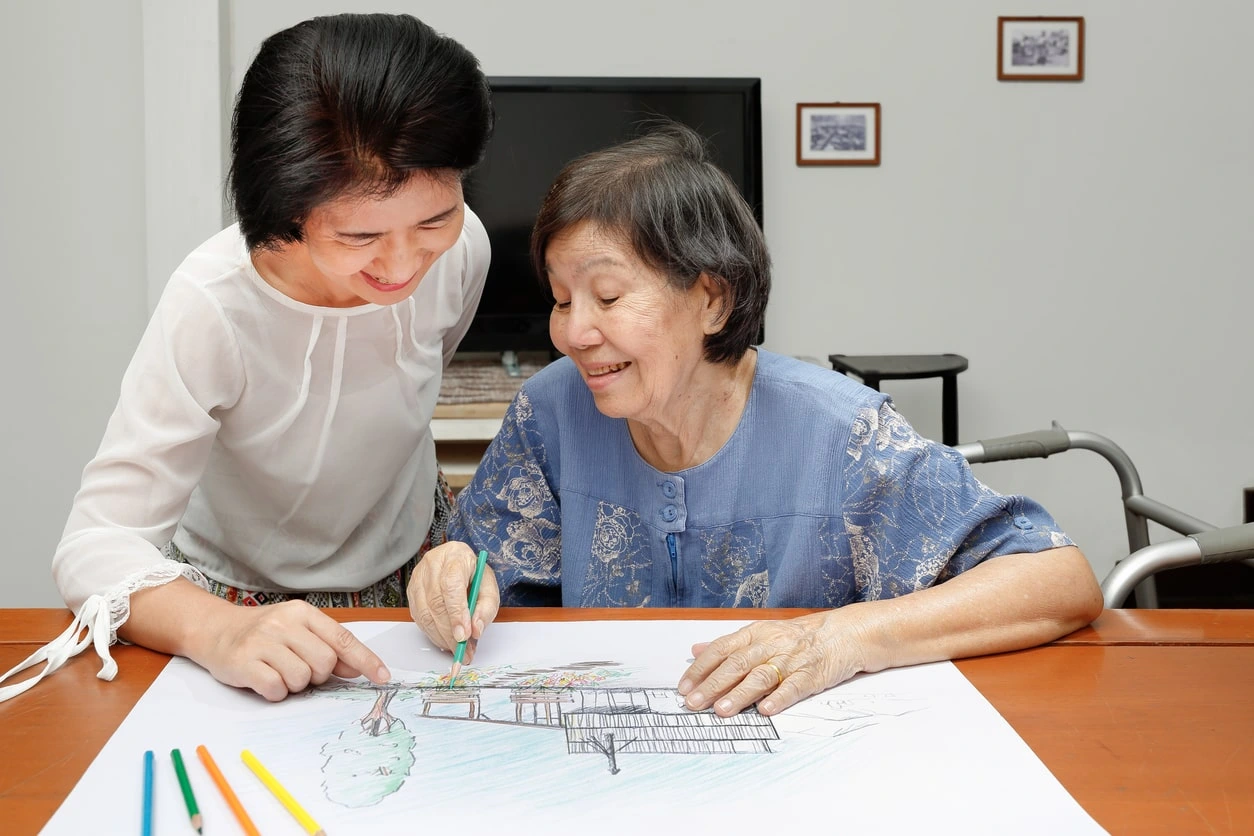
Art therapy offers trauma survivors powerful pathways to healing through creative expression when words feel impossible. This specialized approach recognizes that trauma often lives beyond verbal processing, requiring alternative methods that honor the body’s natural healing wisdom. Joseph Gleed, LCSW, CCTP, brings over 20 years of experience working with veterans and first responders, understanding how creative therapies unlock healing potential that traditional talk therapy sometimes cannot reach.
At Renova Wellness & Consulting, our art therapy programs transition clients from survival mode to genuine flourishing through evidence-based creative interventions. These approaches acknowledge that trauma affects the whole person, requiring treatments that address emotional, physical, and neurological impacts simultaneously. Most importantly, art therapy empowers survivors to reclaim agency over their healing journey through personal creative expression.
Moving Beyond Traditional Therapy Limitations
Trauma survivors often face complex healing processes that traditional therapy approaches may not fully address. Art therapy serves as a powerful complement to classical methods by focusing on non-verbal expression and creative engagement. This approach allows different forms of communication where clients explore and convey experiences through artwork, bypassing verbal recounting barriers that sometimes impede progress.
Creative expression taps into healing mechanisms that exist beyond cognitive processing alone. Many trauma survivors find themselves stuck in cycles of retelling their stories without experiencing relief. Art therapy offers alternative pathways that honor the body’s innate wisdom while creating tangible representations of internal experiences.
Evidence-based practices form the foundation of effective art therapy programming at Renova Wellness & Consulting. Our therapeutic methods incorporate research-backed approaches designed to achieve measurable outcomes in emotional resilience and psychological well-being. This scientific rigor ensures transformative experiences rooted in proven recovery strategies.
Personal growth and recovery represent ultimate goals through partnership approaches that create spaces for emerging strengths, developing coping strategies, and rediscovering hope. These elements often become overshadowed by trauma but reemerge through creative exploration and expression.
Addressing Trauma’s Neurobiological Impact
Trauma’s enduring effects root themselves in brain neurobiology, impacting survivors with persistent emotional turbulence that traditional interventions struggle to reach. Art therapy serves as a conduit for calming and healing by shifting brain focus while creating neurological respite through creative engagement.
Heightened emotional responses result from trauma’s alteration of brain chemistry and function, leaving survivors feeling constantly alarmed. Visual and physical creation processes distract overactive brain areas triggering these responses, engaging creative centers that soothe nervous systems while providing peace.
Art therapy proves integral in developing new, positive neural pathways as survivors engage in artistic endeavors. These activities forge alternative brain routes that circumvent ingrained pathways associated with traumatic memories. Manifesting emotions through art creates tangible representations of internal worlds, promoting neural healing and gradual emotional stability returns.
Utah communities particularly benefit from these neurobiologically-informed approaches that recognize trauma’s complex brain impacts. Joseph Gleed’s specialized training in trauma treatment informs programming that addresses both psychological and physiological healing needs simultaneously.
Overcoming Emotional Numbness and Disconnection
Emotional numbness and dissociation serve as common protective mechanisms for trauma survivors, creating significant recovery barriers. Art therapy offers delicate approaches for overcoming these barriers while re-establishing emotional connections and fostering healing pathways through sensory engagement.
Tangible art creation processes help individuals experiencing numbness gradually reawaken emotions through textures, colors, and physical making activities. These sensory experiences stimulate dormant feelings in non-threatening spaces where survivors explore emotional landscapes safely. This gradual reintroduction proves essential for accessing emotions that might otherwise remain isolated.
Dissociation often distances survivors from emotional responses, creating detached observation experiences devoid of feeling. Focusing on material art aspects like shaping clay or mixing paints anchors individuals in present moments. Art therapy harnesses here-and-now power, encouraging mindful reconnection with direct emotional responses elicited by personal artwork creation.
The following art therapy techniques prove particularly effective for addressing dissociation:
- Grounding exercises using clay and tactile materials
- Mindful color mixing that requires present-moment attention
- Body-based art activities that reconnect physical sensations
- Progressive muscle relaxation combined with gentle sketching
- Breathing exercises paired with rhythmic art-making movements
These approaches create bridges between disconnected experiences and present-moment awareness, facilitating integration essential for trauma recovery.
Managing Hypervigilance Through Creative Control
Hypervigilance leaves trauma survivors in perpetual alertness states, undermining security feelings and creating exhausting daily experiences. Art therapy introduces reliable sanctuaries where individuals regain command over internal worlds while confronting and controlling anxiety experiences through creative empowerment.
Safe therapeutic art spaces allow creative processes to function as empowerment tools through choice-making opportunities. Selecting subjects, colors, and expression methods enables survivors to exert control where they typically feel powerless. These art creation choices translate symbolically to taking charge of personal narratives and emotions.
Structured art therapy environments promote present-minded focus that breaks constant vigilance cycles. Creative immersion engages moment-by-moment attention, redirecting focus away from triggering external stimuli. This present-focus decreases anxiety feelings as creation activities provide distraction from past fears while reorienting toward current well-being.
Creative control experiences within therapy sessions often generalize to daily life situations, building confidence in personal agency. Survivors discover they possess more influence over their experiences than trauma initially suggested, fostering hope and self-efficacy essential for recovery.
Integrative Art Therapy Approaches
Integrative art therapy at Renova merges artistic creation instincts with traditional therapy strategies, forming comprehensive trauma treatments. This approach adapts to individual needs while addressing trauma recovery’s multifaceted nature through personalized creative interventions.
Art therapists deeply versed in trauma-informed care collaborate with traditional therapeutic models supporting wellness journeys. They provide scaffolded approaches guiding clients through art projects reflecting individual experiences and emotions. This collaboration ensures both creative and clinical support, creating space for personalized exploration and insight development.
Resilience building represents the empowering outcome of facing adversity with strength through integrated methods. Clients create while speaking, draw while reflecting, and paint while processing experiences. Combined art and conversation forces build robust coping mechanisms alongside renewed confidence in healing abilities.
Tailored Intervention Strategies
Decision-making in art therapy revolves around custom-fitted interventions designed with individual emotional landscapes in mind. This sensitivity to client needs informs therapeutic directions, ensuring every step synchronizes with personal recovery journeys through careful assessment and adaptation.
Art therapists listen closely to identify nuanced tolerance levels, acknowledging that trauma affects everyone differently. This understanding allows meticulous therapy process adjustments through calming color choices or medium selections that enable expression without overwhelming clients. Individual pacing proves essential for maintaining safety and progress.
Personalizing interventions requires close monitoring of client emotional stability throughout therapy processes. Renova’s art therapists receive training in recognizing subtle mood and behavior shifts, enabling activity tailoring that builds resilience while promoting consistent healing. This deliberate modification ensures clients remain engaged and supported throughout therapy progression.
The following assessment criteria guide intervention decisions:
- Individual trauma history and current symptom presentation
- Artistic experience levels and creative comfort zones
- Emotional regulation capacity and triggering factors
- Social support systems and family dynamics
- Personal goals and recovery timeline preferences
These comprehensive assessments ensure treatments match individual needs while maintaining therapeutic safety and effectiveness.
Professional Support and Resources
Recovery paths at Renova receive fortification through professional guidance emphasizing accredited support alongside clients throughout healing journeys. This provision ensures trauma survivors access comprehensive resources aligned with highest trauma care standards available.
Art therapy programs strengthen through credentials adhering to strict professional standards, offering clients comfort knowing techniques and methods receive innovation alongside scientific research validation. Leading psychology organizations endorse these approaches, providing assurance that care proves both safe and effective for diverse trauma presentations.
Adherence to trauma care best practices forms cornerstone support at Renova through careful integration into each art therapy session. These nurturing environments receive methodical optimization for healing through attention to detail in following established practices. Clients receive informed, conscientiously structured therapy supporting overall well-being development.
Joseph Gleed’s extensive experience with veterans and first responders informs programming that addresses occupational trauma’s unique challenges. This specialized knowledge enhances treatment effectiveness for Utah’s military and emergency services communities seeking trauma-informed creative therapy options.
Building Long-Term Resilience
Renova focuses on fortifying clients with strength to face current challenges while withstanding future adversities. Resilience building proves integral to therapeutic approaches, emphasizing development supporting immediate healing alongside enduring emotional health maintenance.
Self-reflection serves as powerful resilience-fostering tools through guided practices allowing experience examination and strength recognition. Internal exploration proves key to understanding personal response mechanisms while developing healthier coping strategies essential during recovery and beyond future challenges.
Mindful creativity complements self-reflection by providing hands-on growth methods through present-moment focused creative activities. Clients learn to channel emotions and thoughts constructively while nurturing balanced emotional states. This approach equips individuals with creative tools needed for handling stress and obstacles encountered throughout life.
Transforming Lives Through Creative Expression
Art therapy at Renova Wellness & Consulting catalyzes transformative journeys from trauma to empowerment through merging art and science. This integration delivers complete healing experiences surpassing conventional treatments while supporting clients in reclaiming their lives through creative discovery and expression.
Scientific principles integration within artistic expression frameworks ensures therapy grounding in solid research while providing creative outlets. This duality benefits each client through tailored approaches honoring both emotional and physiological healing aspects from trauma experiences. Evidence-based creativity offers unique advantages for comprehensive recovery.
Client empowerment dedication forms our mission’s heart through art therapy programming designed to enable trauma survivors to thrive rather than merely endure. Fostering skills, confidence, and agency through supportive environments helps establish foundations for lives defined by strength and resilience rather than survival and limitation.
Request your appointment today!
Renova Wellness & consulting
801-317-8522 & info@renovawc.com
2332 W 12600 S #2B
Riverton, UT 84065
Frequently Asked Questions
Can art therapy really help with trauma recovery?
Absolutely! Art therapy provides a unique way for trauma survivors to process emotions and experiences without relying solely on words. It offers a creative outlet that can lead to significant emotional healing.
Is art therapy suitable for all ages and types of trauma?
Yes, art therapy is adaptable to individuals of any age and can be tailored to different kinds of trauma. It’s a versatile approach that supports personal expression and healing at any stage of recovery.
What can I expect during an art therapy session for trauma?
During an art therapy session, you’ll be in a safe and supportive space where you can explore your feelings through creative activities. There’s no pressure to produce “good” art—it’s all about your personal healing journey.