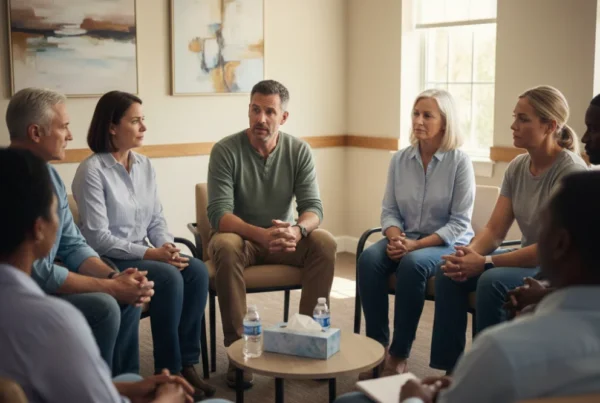

Combat trauma therapy in Riverton, UT helps veterans process the invisible wounds of war and find peace after service. At Renova Wellness and Consulting, Joseph Gleed, LCSW, CCTP, and his trauma-informed team offer specialized care for veterans in Mountain View, Bluffdale, Daybreak, and West Jordan. Their goal is to help each person rebuild trust, regain emotional balance, and rediscover purpose.
Joseph Gleed is an Army veteran, Complex Trauma Specialist, and Clinical Director with over 20 years of experience treating veterans and first responders. His approach combines empathy, research-based methods, and personal understanding of trauma to guide recovery safely and effectively.
Understanding Combat Trauma and Its Effects
Combat trauma develops after exposure to life-threatening events, moral injury, or intense stress during service. Many veterans return home physically safe but emotionally burdened. They may struggle with hypervigilance, guilt, nightmares, or emotional numbness. These are not signs of weakness. They are normal responses to extreme conditions.
In communities like Bluffdale and Daybreak, veterans often experience quiet suffering as they adjust to civilian life. Symptoms can appear as irritability, withdrawal, or trouble concentrating. Therapy helps reframe these as adaptive survival skills that can now be reshaped for peace and connection.
How Combat Trauma Therapy Supports Recovery
Combat trauma therapy helps veterans process distressing memories while strengthening their ability to cope. At Renova Wellness and Consulting, treatment plans are tailored to each person’s goals and comfort level.
- Cognitive Processing Therapy (CPT): Challenges self-blame and negative thought patterns linked to guilt or moral injury.
- EMDR (Eye Movement Desensitization and Reprocessing): Reduces the intensity of traumatic memories and promotes emotional balance.
- Somatic Therapy: Focuses on body awareness, helping veterans reconnect with physical safety and self-regulation.
These methods help veterans face trauma memories without reliving them. Over time, they develop new tools for managing stress, relationships, and daily challenges.
Creating Safety and Building Trust
For many veterans, trust feels foreign after military service. That is why safety and transparency guide every step of therapy at Renova Wellness and Consulting. Joseph Gleed and his team work collaboratively with each client, ensuring they are never pushed beyond what feels safe.
Veterans from areas like Mountain View and West Jordan often describe the first session as the moment they finally felt heard. Therapy is not rushed. Every person sets their own pace. By restoring a sense of control, trust begins to rebuild naturally.
Common Challenges Veterans Face in Therapy
Many veterans hesitate to seek therapy because of fear, stigma, or past experiences. Some worry they might lose control during sessions, while others fear being judged or misunderstood. Renova’s trauma-informed approach helps veterans move past these barriers by keeping the pace steady and the process respectful.
- Stigma and Misunderstanding: Therapy normalizes trauma responses and reframes them as survival skills, not failures.
- Fear of Reliving Memories: Treatment progresses gently, allowing veterans to process trauma with stability and choice.
- Difficulty Expressing Emotions: Therapy provides practical exercises to help reconnect with feelings safely and gradually.
Healing is not about erasing memories or pretending nothing happened. It is about building safety in your body and clarity in your mind, one step at a time. Over time, many veterans find they can carry the past with less weight and more freedom.
Comparing Effective Combat Trauma Therapy Methods
Combat trauma can show up in different ways, so there is no single therapy that fits everyone. Some veterans feel stuck in guilt or moral conflict, while others deal with flashbacks, panic, or emotional numbness. Comparing methods side by side can make the next step feel clearer and less overwhelming.
| Therapy Type | Focus | Best For |
| Cognitive Processing Therapy | Changing negative thought patterns | Veterans struggling with guilt or moral conflict |
| EMDR | Processing distressing memories safely | Veterans with flashbacks or anxiety triggers |
| Somatic Therapy | Reconnecting body and mind | Veterans with tension or emotional numbness |
Each approach offers unique benefits, and the right choice depends on your symptoms and comfort level. In the first consultation, Joseph Gleed explains each method in plain language and answers questions without pressure. From there, you can choose a plan that feels steady, respectful, and realistic to follow through on.
Life After Combat Trauma
Healing from combat trauma means reclaiming purpose, trust, and connection. Over time, therapy helps veterans rediscover what brings meaning to their lives. Many notice improvements in sleep, relationships, and emotional balance. For some, it means being able to laugh again. For others, it is simply being able to feel calm for the first time in years.
In neighborhoods like Bluffdale and Daybreak, veterans who complete trauma therapy often describe a new sense of identity. They are not defined by the past but by how they move forward with strength and grace.
Taking the Next Step Toward Recovery
At Renova Wellness and Consulting, healing from combat trauma begins with connection. Joseph Gleed and his team offer a safe, grounded environment where veterans can share their stories without fear or pressure. Every conversation is confidential. Every step forward is guided by trust and compassion.
Your courage brought you through service. Now it can lead you toward peace. Call (801) 317-8522 or visit Renova Wellness and Consulting to schedule your confidential consultation today.
Frequently Asked Questions
How is combat trauma therapy different from general PTSD treatment?
Combat trauma therapy focuses on experiences unique to military service, including moral injury, survivor’s guilt, and identity loss. It integrates approaches like CPT and EMDR that directly address battlefield-related memories. Sources: https://www.ptsd.va.gov/ and https://www.apa.org/topics/ptsd.
Can therapy help with anger and emotional outbursts after deployment?
Yes. Therapy helps veterans identify triggers, develop coping techniques, and regain emotional control. Skills such as grounding and mindful breathing reduce reactivity and improve communication. Sources: https://www.apa.org/topics/anger and https://www.ptsd.va.gov/.
What if I feel disconnected or numb during therapy?
Emotional numbness is a normal response to prolonged stress. Therapists use gentle, body-centered approaches to help clients reconnect with emotions at a safe pace. Sources: https://www.ptsd.va.gov/ and https://www.ncbi.nlm.nih.gov/pmc/articles/PMC5144335/.
How long does combat trauma therapy usually take?
The duration depends on the person’s needs and goals. Some notice changes within a few months, while others continue long-term to support deep healing. Consistency matters more than speed. Sources: https://www.mayoclinic.org/diseases-conditions/ptsd and https://www.apa.org/topics/ptsd.
Can therapy still help decades after combat?
Yes. Healing is always possible. Even if trauma occurred long ago, therapy can help the brain process memories differently and restore peace of mind. Sources: https://www.ptsd.va.gov/ and https://www.apa.org/topics/trauma.