Veteran PTSD support groups in Riverton, UT play a vital role in helping veterans heal from trauma and reconnect with others who understand their experiences. At Renova Wellness and Consulting, Joseph Gleed, LCSW, CCTP, and his trauma-informed team provide both individual therapy and community-based support options for veterans across Riverton South, Harvest Park, Parkside, and Herriman Towne Center. These groups create a space where recovery becomes shared, not solitary.
As an Army veteran and Complex Trauma Specialist, Joseph Gleed understands the unique challenges veterans face when returning to civilian life. With over 20 years of clinical experience treating trauma, he combines empathy, research-based methods, and community connection to guide veterans toward lasting healing.
Why Support Groups Matter for PTSD Recovery
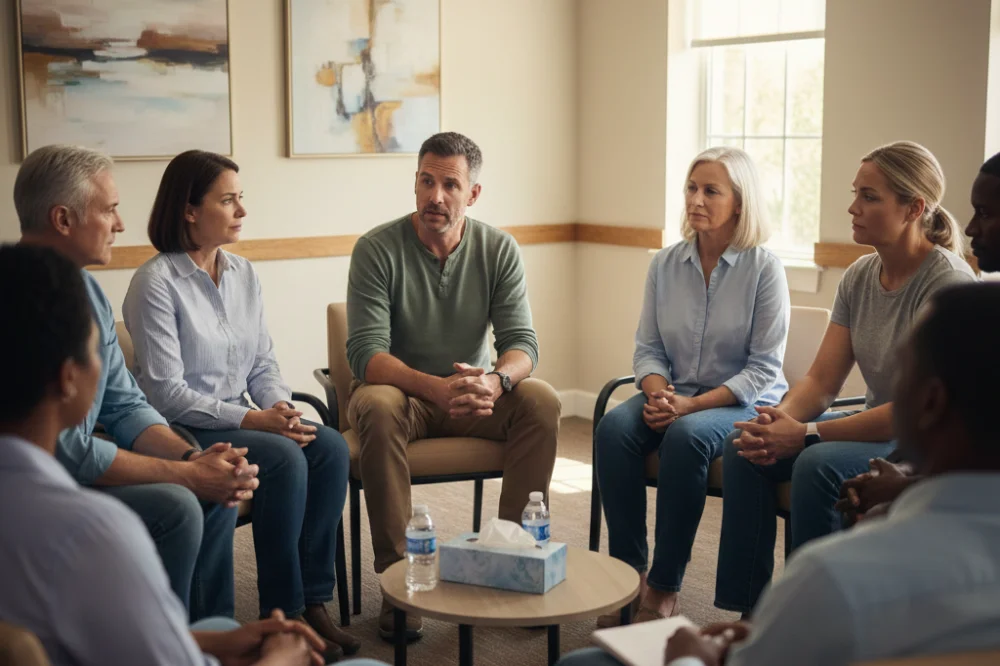
Support groups provide more than emotional comfort, they create belonging. Veterans often struggle with isolation, guilt, or feeling misunderstood by civilians. Sharing experiences with peers who have faced similar trauma helps reduce shame and rebuild trust.
In communities like Harvest Park and Riverton South, many veterans find that simply being heard by others who understand becomes the first step toward peace. Support groups also help normalize PTSD symptoms, showing participants that recovery is not only possible but expected with the right tools.
How Veteran PTSD Support Groups Complement Therapy
While therapy focuses on personal healing, support groups strengthen community connection and accountability. At Renova Wellness and Consulting, group sessions are designed to complement one-on-one therapy by reinforcing coping skills and emotional resilience.
- Shared Understanding: Veterans gain insight and support from peers who have lived through similar experiences.
- Skill Reinforcement: Techniques learned in therapy like grounding, mindfulness, and stress management are practiced in a safe group setting.
- Ongoing Encouragement: Group members motivate each other to stay consistent with their recovery goals.
Together, therapy and support groups create a strong foundation for sustained progress. The blend of personal reflection and community validation enhances emotional healing.
Common Barriers to Joining a Support Group
Many veterans hesitate to join support groups because the idea can feel exposing at first. Fear, shame, and uncertainty often show up before someone even walks in the door. These concerns are real, and they usually soften once the process feels safer and more predictable.
- Fear of Judgment: Veterans often worry about appearing weak. Group settings emphasize respect, confidentiality, and shared strength.
- Mistrust of Others: Renova’s groups are led by trauma-informed professionals who build safety and trust from the first meeting.
- Uncertainty About Participation: No one is required to speak before they are ready. Listening is part of healing, too.
Veterans who take the first step often describe it as a turning point, even if they barely talk the first day. Over time, many people feel less alone and more understood, which can reduce shame and self-blame. Healing can feel lighter when it is carried with others who truly get it.
Comparing Types of PTSD Support Groups for Veterans
PTSD support groups can feel very different depending on who leads them and how the group is structured. Some veterans want a place that feels like pure peer camaraderie, while others prefer more guided skill-building. Seeing the options side by side can make it easier to pick a group that matches your comfort level and goals.
| Group Type | Focus | Ideal For |
| Peer-Led Groups | Shared veteran experiences and camaraderie | Veterans seeking community connection |
| Clinician-Led Groups | Guided trauma recovery and coping skill development | Veterans needing structured support |
| Hybrid Models | Combination of professional guidance and peer support | Veterans transitioning from therapy to independent recovery |
Choosing the right group depends on what feels safe today and what you want help with first. During consultations, Joseph Gleed talks through each option in plain language and answers the questions most veterans hesitate to ask out loud. The goal is to match you with a group that feels supportive, steady, and realistic for your current stage of recovery.
The Emotional Impact of Group Connection
Beyond structure and skills, veteran PTSD support groups bring emotional renewal. Veterans learn that their pain is not a burden but part of a shared story of resilience. Over time, connection replaces isolation, and trust begins to grow again.
In areas like Parkside and Herriman Towne Center, many participants describe group sessions as a place where laughter and vulnerability coexist. Healing does not happen in silence, it thrives in safe, supportive community.
Taking the Next Step Toward Connection and Healing
At Renova Wellness and Consulting, healing from PTSD is both personal and collective. Support groups give veterans a chance to connect, share, and grow together while receiving guidance from trauma-trained professionals.
If you are ready to take the next step toward recovery, call (801) 317-8522 or visit Renova Wellness and Consulting to learn more about veteran PTSD support groups in Riverton, UT. You served with strength, now it is time to heal with support.
Frequently Asked Questions
How can support groups help with PTSD recovery?
Support groups help veterans feel understood and less isolated. Sharing experiences with peers reduces shame and reinforces coping skills learned in therapy. Sources: https://www.ptsd.va.gov/ and https://www.apa.org/topics/ptsd.
Are veteran PTSD support groups confidential?
Yes. Sessions at Renova Wellness and Consulting prioritize safety and privacy. Members agree to confidentiality to ensure a respectful environment. Sources: https://www.ptsd.va.gov/ and https://www.mhanational.org/ptsd.
What if I do not feel comfortable talking at first?
Participation is always at your own pace. Many veterans start by listening until they feel ready to share. Healing can begin through observation and connection. Sources: https://www.apa.org/topics/trauma and https://www.ptsd.va.gov/.
Do support groups replace individual therapy?
No. Support groups complement therapy by reinforcing skills and creating a community of accountability. Both forms of support work best together. Sources: https://www.ptsd.va.gov/ and https://www.mayoclinic.org/diseases-conditions/ptsd.
How do I find the right veteran PTSD support group near me?
Renova Wellness and Consulting can help match you with the right group for your needs. Options include peer-led, clinician-led, and hybrid groups, each designed to fit different stages of recovery. Sources: https://www.ptsd.va.gov/ and https://www.apa.org/topics/ptsd.