Family support for veterans with PTSD in Riverton, UT can make a powerful difference in recovery. At Renova Wellness and Consulting, families learn how to create a safe, understanding environment that encourages healing. Joseph Gleed, LCSW, CCTP, and his trauma-informed team help veterans and their loved ones in Riverton South, Mountain View, Bluffdale, and Harvest Park rebuild connection and trust during the recovery process.
As an Army veteran, Complex Trauma Specialist, and Clinical Director, Joseph Gleed understands both the visible and invisible effects of trauma. With over 20 years of experience working with veterans and first responders, he guides families to support their loved one’s progress with compassion, patience, and practical tools.
The Importance of Family Involvement in PTSD Recovery
When families understand trauma, veterans are less likely to feel isolated or misunderstood. PTSD can affect communication, emotional expression, and even day-to-day functioning. Support from family members helps stabilize the home environment and reinforces progress made in therapy.
In neighborhoods like Bluffdale and Riverton South, families who take an active role in understanding PTSD often notice improved relationships and fewer emotional setbacks. Education and empathy become just as important as treatment itself.
Ways Families Can Support PTSD Therapy
Support does not always mean knowing what to say, and it rarely comes from giving advice. Most veterans feel safer when family members stay steady, curious, and consistent over time. At Renova Wellness and Consulting, Joseph Gleed helps families learn simple actions that reduce tension at home and support therapy progress.
- Learn About PTSD: Understanding symptoms like hypervigilance, avoidance, or mood swings helps reduce frustration and blame.
- Encourage, Don’t Pressure: Healing happens on the veteran’s timeline. Gentle encouragement and respect for boundaries create safety.
- Practice Patience: Trauma recovery is not linear. Celebrate progress, no matter how small.
These actions help families become a calm anchor instead of another source of stress. When the home environment feels predictable and respectful, therapy often feels easier to continue. Over time, that steady support can help veterans build trust, self-awareness, and a stronger sense of control.
Common Mistakes Families Can Avoid
Even with the best intentions, family members sometimes respond in ways that can unintentionally make recovery harder. Recognizing these patterns helps create a more supportive environment.
Overprotecting a loved one may prevent them from building independence. Dismissing or minimizing symptoms can cause shame or withdrawal. Avoiding conversations about trauma entirely may create emotional distance. At Renova Wellness and Consulting, families learn how to balance empathy with empowerment so that everyone feels heard and supported.
Benefits of Family Involvement in PTSD Therapy
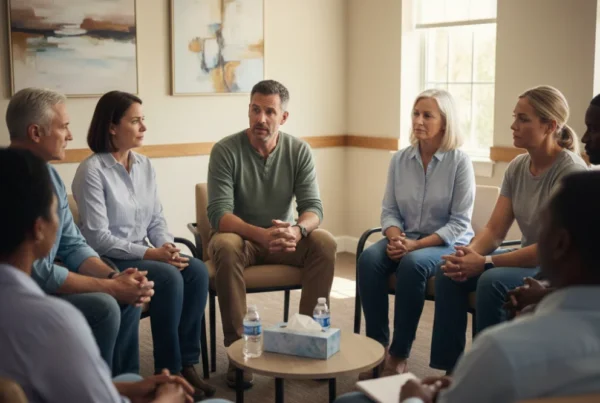
When families actively participate in PTSD therapy, many veterans feel less alone in the work. Home can either reinforce healing or quietly undo it, depending on how support shows up day to day. When loved ones understand what PTSD looks like, therapy often feels safer and progress tends to last longer.
- Improved Communication: Families learn how to express needs and emotions without triggering defensiveness.
- Shared Healing: Loved ones often discover their own growth and self-awareness through the process.
- Stronger Support Network: A united family environment helps maintain consistency between therapy sessions and daily life.
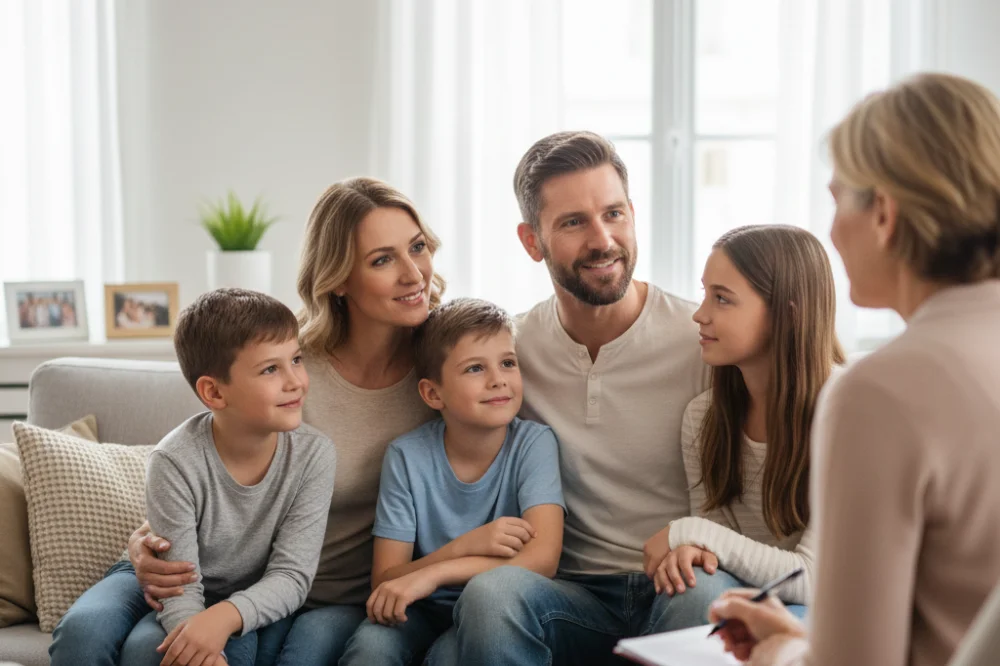
Healing becomes a shared journey instead of an individual struggle, and that shift matters. It helps veterans feel seen without feeling watched, and supported without feeling controlled. Over time, families often notice more calm moments, fewer conflicts, and a stronger sense of teamwork at home.
Comparing Individual and Family-Inclusive PTSD Therapy
PTSD therapy can be effective in a private, one-on-one setting, and it can also include family support when the timing is right. Some veterans need a personal space first, especially if trust feels fragile. Others want loved ones involved sooner so home life feels calmer and more predictable.
| Therapy Type | Focus | Best For |
| Individual Therapy | Personal trauma processing | Veterans needing private space to begin recovery |
| Family-Inclusive Therapy | Improving communication and trust | Families wanting to rebuild connection |
| Educational Sessions | Learning trauma response patterns | Loved ones seeking better understanding |
Every family dynamic is different, and the best plan depends on safety, readiness, and goals. During consultations, Joseph Gleed helps clarify what support should look like right now and what can wait until later. That way, the veteran stays in control of the process while the family learns how to help without adding pressure.
Rebuilding Connection at Home
Family life after trauma can feel unpredictable. Simple routines and small gestures like shared meals or walks help rebuild trust over time. Creating predictable patterns helps reduce anxiety and shows that stability is possible again.
In communities like Mountain View and Harvest Park, families often describe the turning point as the moment they began talking openly about both progress and challenges. Openness allows everyone to heal together, not just the veteran.
Taking the Next Step Toward Healing Together
At Renova Wellness and Consulting, therapy extends beyond the individual. Joseph Gleed and his team believe that families are essential partners in recovery. By learning, listening, and showing up consistently, families can help veterans rediscover peace, purpose, and connection.
If your loved one is receiving PTSD therapy, your involvement can make all the difference. Call (801) 317-8522 or visit Renova Wellness and Consulting to learn how to support veterans in PTSD recovery and begin healing together.
Frequently Asked Questions
How can families best support a veteran in PTSD therapy?
Families support PTSD therapy best when they stay steady and curious, even when they do not have the perfect words. Learning common PTSD reactions can reduce blame and help you respond with patience instead of frustration. Practical support often looks like listening, keeping routines predictable, and encouraging treatment without pushing for details. Sources: https://www.ptsd.va.gov/family/index.asp and https://www.ptsd.va.gov/family/effect_families.asp.
Should families attend therapy sessions with the veteran?
Sometimes, and it should always be led by the veteran’s comfort level and the therapist’s guidance. Family inclusive sessions can help rebuild communication and trust, especially when PTSD is affecting daily life at home. Many veterans still prefer individual sessions first, then invite family later when it feels safer. Sources: https://www.ptsd.va.gov/professional/treat/specific/ptsd_family.asp and https://www.mayoclinic.org/diseases-conditions/post-traumatic-stress-disorder/diagnosis-treatment/drc-20355973.
What should families avoid saying to a loved one with PTSD?
Avoid statements that minimize the experience, such as “just get over it,” “it was a long time ago,” or “other people have it worse.” These phrases can increase shame and make someone less likely to share or stay in treatment. A better approach is to listen, reflect what you heard, and ask what support would feel helpful right now. Sources: https://www.mayoclinic.org/diseases-conditions/post-traumatic-stress-disorder/expert-answers/post-traumatic-stress/faq-20057756 and https://www.ptsd.va.gov/family/effects_ptsd.asp.
How can families take care of their own mental health during this process?
Supporting someone with PTSD can be exhausting, and family stress can affect the veteran’s symptoms too. It helps to set boundaries, keep up with sleep and routines, and get your own support through counseling or a peer group. When family members feel more grounded, they can show up more consistently without burning out. Sources: https://www.ptsd.va.gov/family/effect_families.asp and https://www.samhsa.gov/.
Can family involvement really improve PTSD recovery outcomes?
Family involvement can help, especially when it improves support at home and reduces conflict or isolation. Research and VA resources note that social support is linked with better PTSD coping, and family involvement has the potential to improve treatment outcomes for veterans. The biggest benefit usually comes from the right kind of involvement, meaning supportive and consent-based, not controlling. Sources: https://pubmed.ncbi.nlm.nih.gov/35930084/ and https://pmc.ncbi.nlm.nih.gov/articles/PMC9534006/.