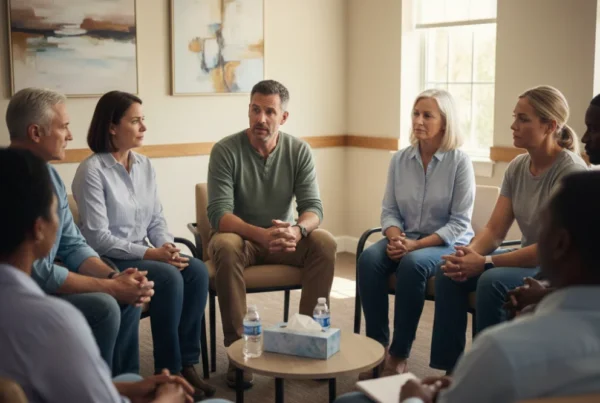

Healing from military sexual trauma (MST) takes courage and support. PTSD therapy in Riverton, UT helps survivors rebuild trust, process trauma safely, and regain control of their lives. At Renova Wellness and Consulting, Joseph Gleed, LCSW, CCTP, and his trauma-informed team offer compassionate care for veterans and first responders throughout Riverton East, Parkside, and Herriman South who are ready to begin recovery.
Joseph Gleed, an Army veteran and Complex Trauma Specialist, understands trauma from both professional and personal experience. His background in trauma-focused therapy, EMDR, and somatic work allows him to guide survivors through recovery with empathy and skill. At Renova, every session prioritizes safety, dignity, and empowerment.
Understanding Military Sexual Trauma and Its Effects
Military sexual trauma includes any sexual assault or harassment experienced during military service. While it can affect anyone, its emotional impact is often compounded by military culture and the sense of betrayal by peers or leadership. Survivors frequently face shame, hypervigilance, flashbacks, and deep mistrust.
In communities like Harvest Park and Mountain View, where many veterans reside, the emotional weight of MST often shows up in subtle ways such as difficulty sleeping, withdrawal from loved ones, or irritability that feels out of character. Therapy helps individuals recognize these signs as normal trauma responses rather than personal failures.
How PTSD Therapy Helps Heal Military Sexual Trauma
PTSD therapy helps survivors process memories that once felt unbearable. Through guided, evidence-based approaches, clients can re-establish safety, regain self-worth, and find peace again. At Renova Wellness and Consulting, treatment plans are customized to each person’s pace and readiness.
- EMDR (Eye Movement Desensitization and Reprocessing): Helps reprocess distressing memories, reducing emotional intensity while preserving insight.
- Somatic Therapy: Addresses how trauma lives in the body by restoring a sense of physical safety and connection.
- Trauma-Focused Acceptance and Commitment Therapy (TFACT): Builds resilience by teaching clients to live with meaning even when trauma memories arise.
These approaches work together to help survivors release guilt, reclaim their voice, and begin seeing themselves as more than what happened to them. Healing is not about forgetting, it is about finding strength beyond survival.
Creating a Safe and Trust-Based Environment
Safety and trust are essential to trauma recovery. Many survivors of MST struggle to trust therapists, especially when past systems failed them. That is why Joseph Gleed focuses on transparency, consent, and collaboration in every session.
Clients in areas like Big Willow Creek or Bluffdale often share that the first step of healing came from simply feeling heard without judgment. At Renova, survivors are never rushed. The therapeutic process respects their autonomy, allowing them to rebuild control in a setting where they set the pace and define what healing means for them.

Common Barriers to Seeking PTSD Therapy
Seeking help after military sexual trauma can feel overwhelming. Many veterans delay therapy for years due to fear of stigma, loss of privacy, or belief that they should be “strong enough” to handle it alone. Others have tried therapy that did not address the depth of their trauma, leaving them discouraged.
In nearby communities like South Jordan and Riverton South, these barriers often reflect a broader cultural message that vulnerability equals weakness. In reality, pursuing therapy is an act of strength. Healing from MST is not about toughness, it is about reclaiming your life.
- Stigma and Isolation: Therapy helps challenge internalized shame by normalizing trauma responses.
- Fear of Re-Traumatization: A trauma-informed approach ensures every step is done with consent and safety.
- Access and Confidentiality: Renova provides private, secure options including in-person and telehealth sessions.
Each small step toward healing builds confidence, and it reminds you that what happened was not your fault. When you feel supported and in control of the pace, therapy stops feeling like another thing you have to “push through.” Over time, that shift makes it easier to speak up, set boundaries, and choose care instead of silence.
Comparing Therapy Options for MST Recovery
Different therapy options can support MST recovery in different ways. Some approaches focus on how the brain stores trauma, while others start with how the body holds stress. The best fit depends on what symptoms feel most disruptive right now, and what feels safest to begin with.
| Therapy Type | Focus | Best For |
| EMDR | Reprocessing traumatic memories | Clients with intrusive flashbacks |
| Somatic Therapy | Body awareness and regulation | Clients with anxiety or dissociation |
| TFACT | Acceptance and values-based recovery | Clients seeking long-term emotional stability |
Choosing the right approach depends on your needs, comfort level, and where you are in healing. In an initial session, Joseph Gleed works with you to understand your goals and what has or has not helped before. From there, you can pick a path that feels steady, respectful, and realistic to maintain.
Rebuilding Life After Trauma
Recovery from MST is about more than symptom management. It is about rediscovering joy, purpose, and connection. Many clients from neighborhoods like Margaret Park and Rose Creek share that as therapy progresses, they begin sleeping better, trusting others again, and reconnecting with parts of life they thought were lost.
Healing also involves rebuilding identity. Survivors learn to separate their worth from their trauma, to live with compassion for themselves, and to find meaning in their resilience. With support, it becomes possible to move beyond survival into a life defined by peace and self-respect.
Taking the Next Step Toward Healing
At Renova Wellness and Consulting, you are not defined by what happened to you, you are defined by how you rise from it. Therapy provides a safe space to begin that rise, guided by someone who truly understands trauma from the inside out.
As a veteran and trauma specialist, Joseph Gleed combines lived experience with decades of clinical expertise to walk alongside survivors toward wholeness. His approach is gentle, clear, and rooted in compassion. You do not have to face this alone. Healing begins with a single conversation. Call (801) 317-8522 or visit Renova Wellness and Consulting to schedule your first confidential session.
Frequently Asked Questions
What is the difference between PTSD therapy and general counseling?
PTSD therapy specifically targets trauma-related symptoms like flashbacks, nightmares, and hypervigilance. General counseling focuses more on life stressors or personal growth. Trauma-focused approaches such as EMDR and somatic therapy help survivors process stored traumatic memories safely. Sources: https://www.ptsd.va.gov/ and https://www.apa.org/topics/trauma.
How does EMDR therapy work for military sexual trauma?
EMDR helps the brain reprocess distressing memories so they no longer trigger the same emotional reactions. It uses guided eye movements or bilateral stimulation while recalling the event, allowing the nervous system to release stored trauma. Sources: https://www.emdria.org/ and https://www.ncbi.nlm.nih.gov/pmc/articles/PMC3951033/.
Is it normal to feel worse before feeling better in PTSD therapy?
Yes. Processing trauma can bring up buried emotions, but this is part of the healing process. With proper support, these feelings lessen over time, leading to greater relief and stability. Sources: https://www.ptsd.va.gov/ and https://www.apa.org/monitor/2017/11/emdr-therapy.
How long does it take to recover from military sexual trauma?
Recovery time varies depending on the severity of trauma, support system, and readiness for therapy. Many clients see improvement within months, while others continue long-term work for deeper healing. The key is consistent, compassionate care. Sources: https://www.ptsd.va.gov/ and https://www.mayoclinic.org/diseases-conditions/ptsd/diagnosis-treatment.
Can PTSD therapy help even years after trauma occurred?
Absolutely. Trauma memories do not fade on their own, but therapy helps the brain and body reprocess them at any time. Healing is possible no matter how much time has passed. Sources: https://www.apa.org/topics/ptsd and https://www.ptsd.va.gov/.